Overwatch 2's Ramattra debut at OWL Grand Finals 2022 sparked a theatrical shift in hero reveal strategy.
It was a crisp November evening in 2022 when Blizzard decided to pull back the curtain on what would become one of Overwatch 2’s most intriguing additions—without a single leak spoiling the dessert. The Overwatch League Grand Finals stage became a high-stakes magic show, the kind where the magician doesn’t just pull a rabbit from a hat but builds the hat on live television while the audience holds its breath. For a studio that had just endured a rocky sequel launch, this live reveal felt less like a marketing beat and more like a cardiac shock to a player base jaded by server queues and DDoS attacks.
Back then, the hero roster had just expanded with Kiriko, Junker Queen, and Sojourn, yet the community was already hungry for the next puzzle piece. The tweet from the official Overwatch account was minimalistic genius: “Get an early look at the next Overwatch 2 hero. Friday, Nov 4 at OWL Grand Finals.” No silhouette teases, no cryptic ARGs—just a gamble that the excitement of a live, unspoiled premiere could outweigh the risk of silence. That gamble paid off like a royal flush drawn in overtime. Unlike Kiriko, whose images and clips had slipped through Blizzard’s fingers like water through a cracked vase, the mystery hero remained a true secret until that broadcast. In an era where genuine official reveals were becoming as rare as a friendly interaction in a competitive lobby, this felt almost rebellious.
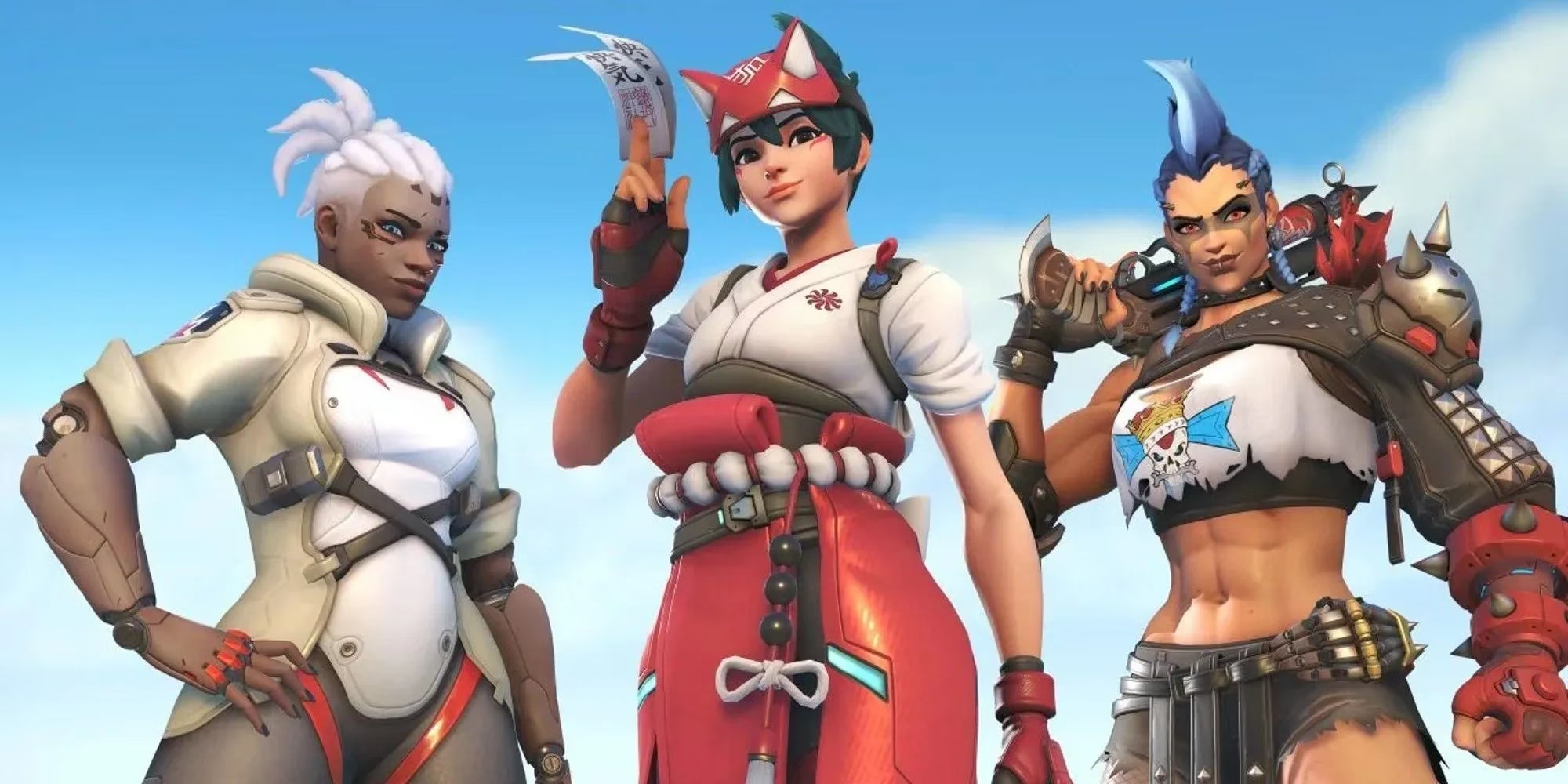
Looking back from 2026, that November night was the seed crystal from which an evolving reveal philosophy grew. Live-service games often treat hero announcements like a leaky faucet—constant drips of information that sometimes flood the community prematurely. But Blizzard’s 2022 OWL moment acted as a reminder that a tightly sealed reveal, dropped like a depth charge into a sea of speculation, can generate a tsunami of organic hype. It was a pivot away from the accidental transparency forced by earlier leaks, and toward controlled, theatrical disclosures.
What followed in the years after was a fascinating oscillation between bold live events and carefully metered disclosure. The hero that debuted that night, Ramattra, became the first Omnic tank to join the fray, and his arrival set a precedent: major lore-heavy heroes deserved center stage at esports tournaments or anniversary streams. By mid-2023, Overwatch 2 started blending in-game cinematics with real-time player statistics to tease upcoming kits—imagine a chef revealing the night’s special not by reading the menu, but by letting the aroma drift from the kitchen. The 2024 hero reveals, such as the airborne support unit Aurora, were orchestrated like symphony movements: a three-week narrative campaign that concluded with a playable trial during the Midseason Madness. By 2025, the pace had accelerated to two heroes per season, forcing Blizzard to abandon grand standalone reveals for some launches, instead embedding them into battle pass trailers that felt as packed as a bento box.
Yet the 2022 OWL reveal remains the gold standard—a tightrope walk without a net. The fear was palpable in hindsight. At the time, Blizzard was still navigating the toxic workplace allegations that had surfaced months earlier, and any public misstep could have splintered the Overwatch 2 momentum even further. The choice to use the Grand Finals as the launchpad for a hero reveal was both a shield and a spear: it redirected the narrative toward craftsmanship and competition, while giving the audience something to cheer for amid the chaos. The map teaser that leaked shortly before—an underwater facility that eventually became the Pacifica Aqueduct—only added an extra layer of intrigue, proving that even when a map seeps out, a hero can stay watertight.
To better appreciate how that 2022 moment reshaped hero introduction cadence, consider this breakdown of the reveal style evolution from 2022 to 2026:
| Year | Reveal Method | Hero Example | Key Characteristic |
|---|---|---|---|
| 2022 (Late) | Live OWL Finals unveil | Ramattra | Zero leaks, high drama |
| 2023 | Cinematic short + in-game teaser event | Lifeweaver | Community puzzle integration |
| 2024 | Narrative campaign culminating in trial | Aurora | Playable reveal before full launch |
| 2025 | Battle pass trailer with simultaneous drop | Zenith | Minimal warning, maximum FOMO |
| 2026 (Projected) | AI-driven personalized teaser quests | Unannounced | Per-player adaptive hype builds |
The table illustrates a clear arc from cinematic secrecy to interactive engagement. Where Ramattra was a gift unwrapped in front of a stadium crowd, later heroes became parts of an intricate treasure hunt. The community went from passive spectators to active sleuths—a shift that has kept Overwatch 2 relevant even as competitors flooded the hero-shooter genre.
That first OWL hero reveal also taught a lesson about the fragile alliance between studios and leakers. In a landscape where miners dig for data as if hunting truffles, Blizzard’s 2022 insulation was a small miracle, akin to keeping a soap bubble intact during a hurricane. The studio has since doubled down on encrypted builds and internal codenames that shift weekly, turning the pre-release period into a cryptographic arms race. While it hasn’t stopped every leak, the success of that Ramattra unveil proved that one genuine surprise can offset a dozen spoiled appetizers.
Now, as Overwatch 2 enters its fifth year, the specter of that November evening still looms. Whenever a new hero is announced, veterans recall the charge in the air when the silhouette first flickered on the OWL stage. It was a moment that reminded everyone why live reveals matter: they forge collective memories that no datamine can replicate. Like a perfectly executed ultimate ability, it caught the entire player base off guard—and the glory of that moment still ripples through every hero select screen today.