Marvel Rivals' player-first approach outshines Overwatch 2 by offering free heroes and fair monetization, ensuring an engaging, trust-building experience.
As a longtime hero shooter enthusiast, I've seen countless games rise and fall in this competitive genre. Many titles flash brightly for a few months before fading into obscurity due to poor player retention and questionable monetization strategies. Overwatch 2's rocky launch in 2022 serves as a cautionary tale that Marvel Rivals appears to have studied carefully. While Overwatch 2 stumbled out of the gate with controversial payment models, Marvel Rivals seems poised to get it right from day one.
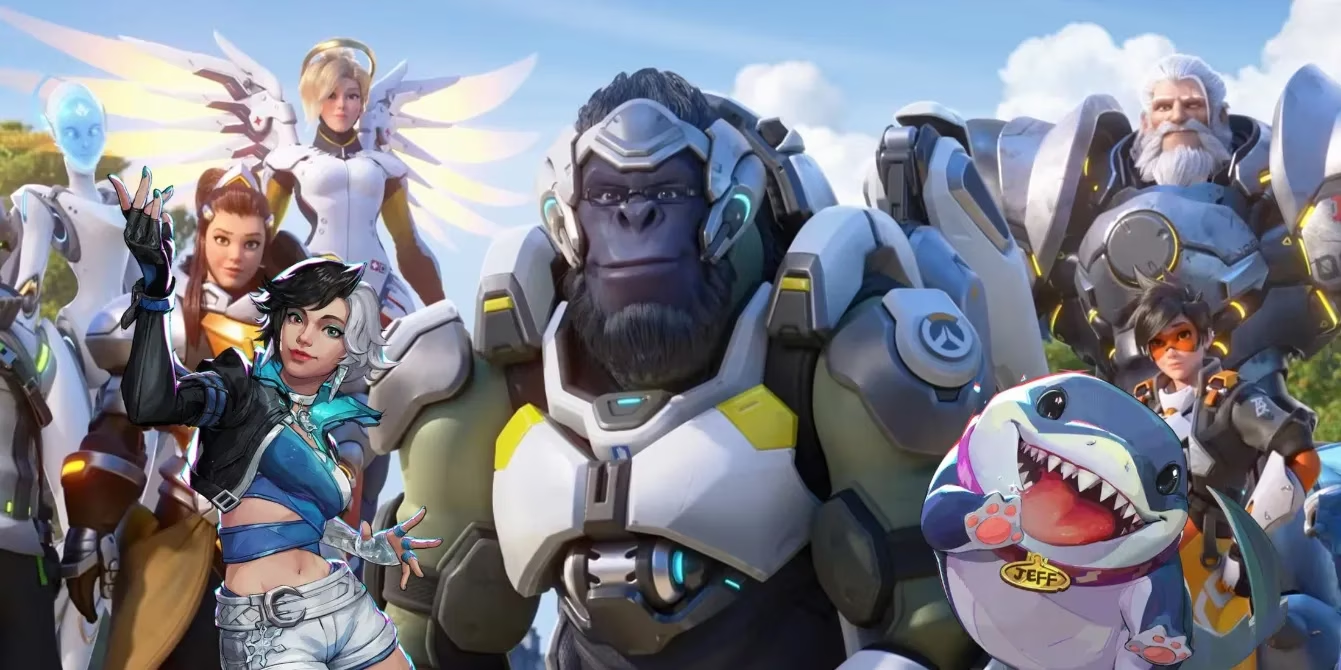
Overwatch 2's Monetization Missteps
When Overwatch 2 launched in October 2022, the shift from a paid game to free-to-play brought significant growing pains. The game immediately faced backlash for locking new heroes behind premium Battle Passes, essentially creating a paywall for core gameplay content. This was a stark departure from the original Overwatch's approach where all heroes were available to everyone.
Another controversial move was the complete removal of loot boxes. While loot boxes had their own controversies, their elimination meant players lost the ability to earn skins through normal gameplay. Suddenly, cosmetic items became exclusively purchasable with real money. It felt like the game was saying, "Hey, we're free to play now, but everything cool will cost you."
Major Overwatch 2 Launch Issues:
-
🔒 Heroes locked behind Battle Pass
-
💰 No free way to earn cosmetics
-
Limited-time Battle Pass pressure
-
😞 Player progression systems overhauled
The Turnaround and Lessons Learned
Overwatch 2 has since course-corrected significantly. All heroes are now freely available to all players, and in-game currency can be earned through gameplay to unlock cosmetics. But those early missteps left a lasting impression on the community. The initial backlash created a trust issue that the game is still working to overcome.
Marvel Rivals' Player-First Approach
Marvel Rivals appears to have learned from these mistakes. NetEase has confirmed that all 33 launch heroes will be immediately available for free, with future heroes also being completely free. This is huge—it means the actual gameplay experience won't be gated behind payments.
What Marvel Rivals Gets Right:
| Feature | Marvel Rivals | Overwatch 2 (Launch) |
|---|---|---|
| Hero Access | All free | Battle Pass locked |
| Maps/Modes | All free | All free |
| Cosmetic Earning | Free Battle Pass + Events | Premium only |
| Time Pressure | No FOMO (keep working on passes) | Seasonal pressure |
The monetization focuses exclusively on cosmetics, which is exactly where it should be. Players get a free Battle Pass every season with skins, MVP cinematics, and other cosmetic rewards. The optional Luxury Battle Pass offers additional cosmetics without affecting gameplay balance.
No FOMO Here
One of the smartest decisions Marvel Rivals has made is eliminating time pressure. Once you purchase a Luxury Battle Pass, you can continue working on it even after the season ends. This is a game-changer for casual players who can't dedicate hours every day. It's like the developers actually understand that people have lives outside the game!
Players can also earn free skins through events and achievements, plus gradually accumulate Lattices (the premium currency) to purchase cosmetic bundles. This creates a sustainable ecosystem where dedicated play is rewarded, but not required.
Looking Forward to 2025
As we move deeper into 2025, the hero shooter landscape continues to evolve. Marvel Rivals' approach shows that developers are finally understanding what players want: fair access to gameplay content with optional cosmetic monetization. It's not rocket science—just good business sense combined with respect for the player base.
The genre has come a long way since those early days when every new hero shooter seemed destined to repeat the same mistakes. Marvel Rivals appears to be setting a new standard, one that other live-service games would do well to emulate. After all, happy players stick around, and that's what keeps games alive in the long run.