Explore the intricate Overwatch 2 map design and Numbani gameplay issues as Season 9's evolution highlights persistent competitive imbalances and frustrating strategic challenges.
The canvas of Overwatch 2 is one of perpetual evolution, a digital landscape where Blizzard's artisans ceaselessly reshape the battlegrounds upon which heroes clash. Season 9 stands as a testament to this ethos, weaving new threads of UI clarity and experiential polish into the game's vibrant tapestry. Yet, amidst these systemic refinements, the silhouette of one particular locale continues to cast a long, problematic shadow across the competitive horizon. Numbani, the city of harmony, remains a crucible of frustration, its elegant plazas and sun-drenched avenues belying a design that has long tested the patience and skill of attackers and defenders alike. As the game strides confidently into 2026, the map's architectural dissonance calls out for a composer's touch, a re-tuning of its spatial symphony to finally achieve the balance its lore promises.
The First Point: A Fortress of Frustration
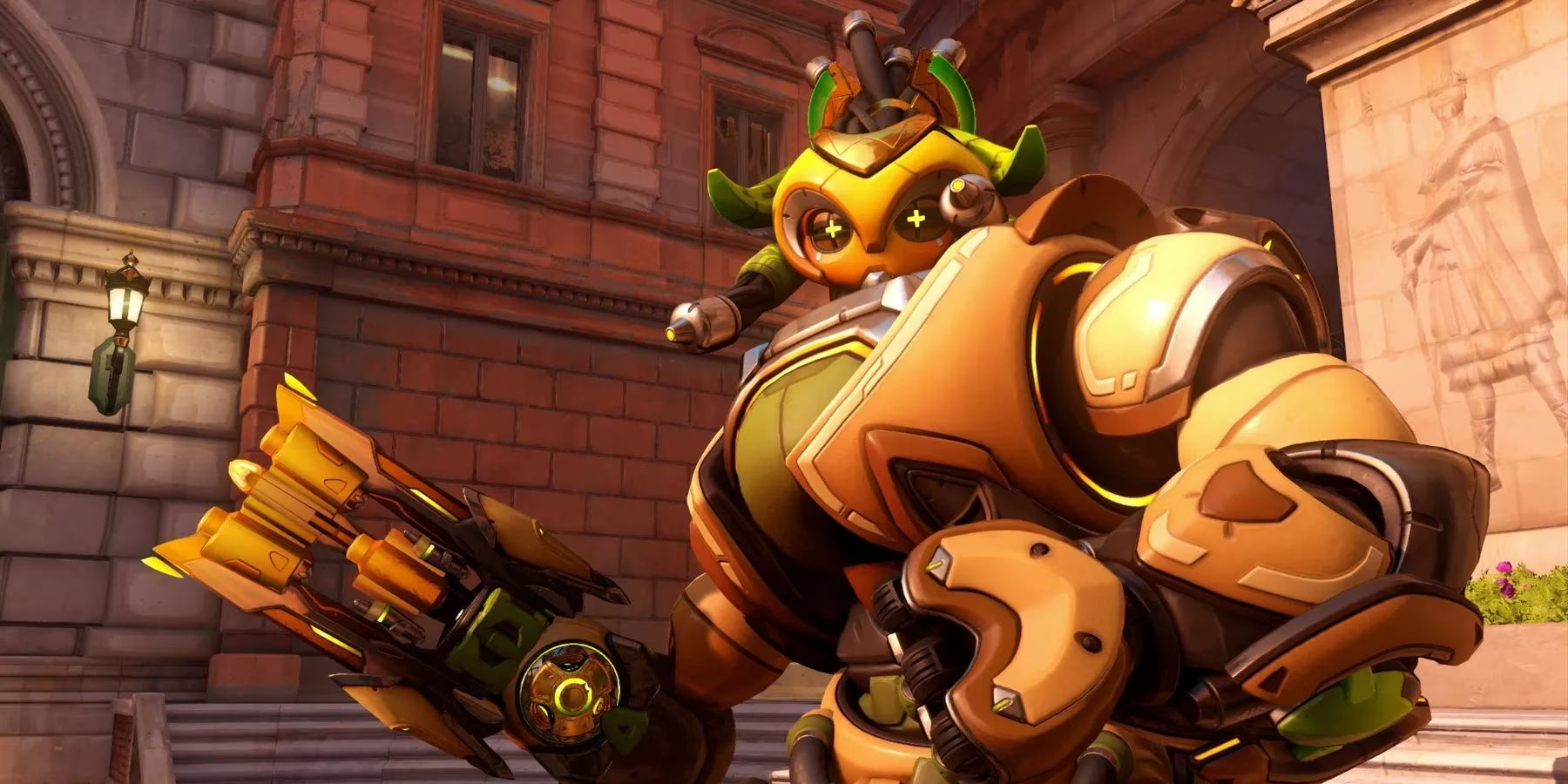
Numbani's initial engagement zone unfolds like a defensive sonnet, each line penned to favor the guardians. The high ground presides over the central avenue with regal authority, a throne from which defenders can survey the approaching storm without committing their full strength. Choke points narrow like the verses of a restrictive poem, funeling attackers into predictable cadences where spam heroes find their rhythm. A journey to the right, up the stone stairs, offers a potential ascension to parity, but it is a path fraught with peril—a gauntlet where a Junkrat's cacophony or a Symmetra's sentry symphony can turn flank routes into fatal funnels. This opening movement often devolves into a slow, grinding crescendo of ultimate abilities, mirroring the protracted struggles once familiar on Dorado's cobblestones. Victory here frequently hinges not on tactical flourish, but on the raw, accumulating power of a team's collective resolve, waiting for the climactic chord that can shatter the defensive formation.
The Second Act: A Punishing Pilgrimage
Should the attackers breach the initial citadel, the map's narrative shifts, but its capacity for grievance does not wane.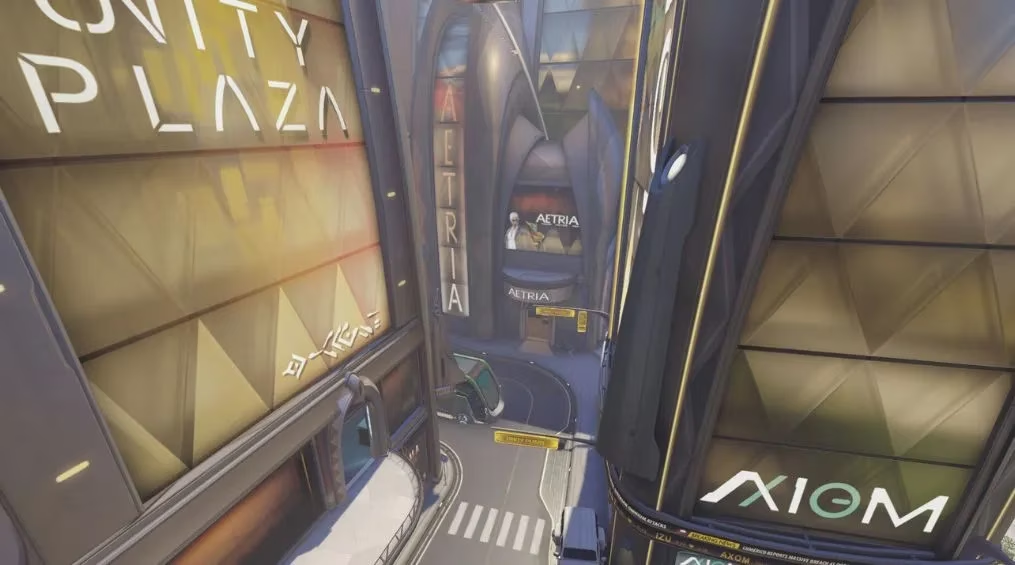
The second segment, while offering a more favorable topography for the advancing side, inscribes a different kind of hardship upon the defenders. Their respawn sanctum is nestled far behind the lines, adjacent to the final objective, condemning fallen heroes to a protracted and demoralizing trek back to the fray. For those sans innate mobility—the steadfast anchor tanks, the methodical supports—this journey is an eternity. It echoes the ghost of a bygone era, recalling the slow, punitive marches that characterized the original Overwatch's 2CP (Assault) mode. A single misstep, a staggered demise, can unravel the entire defensive tapestry in an instant, transforming the point's capture from a battle into a foregone conclusion. The space between life and re-engagement becomes a desert of despair, where the ticking clock of the payload's advance is the only sound.
The Final Chorus: A Clash of Stubborn Wills
And then, the finale.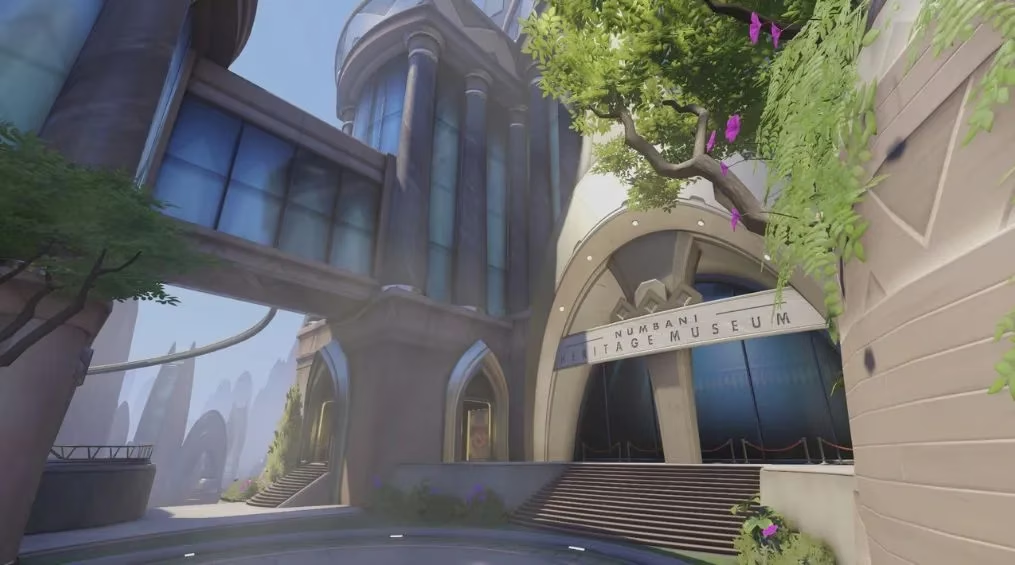
Even for a team that has orchestrated a masterful performance through the first two movements, Numbani saves its most infamous challenge for last. The final choke point is a bastion of second chances for the defense, a geographical bottleneck where stability can be reclaimed from the jaws of defeat. Here, the momentum of a steamrolling advance often meets its abrupt, dissonant end. This narrow passage becomes a stage for dramatic, last-stand heroics, regularly birthing marathon overtime duels or bringing the payload's forward march to a complete, grinding halt. It is a design that can manufacture tension but also foster stagnation, rewarding defensive stubbornness as much as offensive ingenuity. The map's cyclical removal and return to active map pools over the years speaks to its contentious nature, a perennial topic in the community's discourse that has yet to find a harmonious resolution.
The Path Forward: Composing a New Harmony
As Overwatch 2 continues its journey, the case for Numbani's renovation grows ever more compelling. It is a locale of immense aesthetic beauty and narrative significance, yet its gameplay rhythm is often jarring. The solutions may lie in thoughtful, poetic adjustments:
-
First Point Flow: Introduce alternative, less vulnerable avenues to challenge the high ground dominion. Small architectural adjustments—a new balcony, a repositioned cover—could create counter-melodies to the defender's anthem.
-
Second Point Pilgrimage: Re-imagine the defender's spawn proximity for the middle segment. Shortening the punitive trek, perhaps with a forward spawn door that activates upon losing the first point, would maintain pressure without inflicting despair.
-
Finale Phrasing: Reconsider the geometry of the last choke. Widening the passage slightly or adding a minor flank option could prevent total stalemates while preserving the zone's defensive potential.
Blizzard's recent seasons have shown a commendable dedication to sanding down the rough edges of the Overwatch experience, from the UI enhancements of Season 9 to the transformative reworks of maps like Junkertown. This evolving philosophy must now turn its gaze to Numbani. To reforge this city of harmony into a true testament of balanced conflict would be a fitting masterpiece for the game's future—a map where victory is earned through skillful verse and tactical rhyme, not surrendered to architectural discord. In 2026, players deserve a Numbani that sings, not one that grates.