Overwatch 2's future and Marvel Rivals' launch create a pivotal moment for hero-shooter fans, as Season 10's crucial updates must captivate the community amidst rising competition.
It's 2026, and as a dedicated player since the original Overwatch's launch, I find myself in a familiar yet unsettling position: watching the game I love navigate what feels like its most precarious moment. I remember the cautious optimism when Overwatch 2 launched in late 2022. The shift to 5v5 was jarring, a fundamental rework of the team dynamics I'd spent years mastering. Some new heroes felt like they were released to dominate the meta, not enrich it. Now, years later, the echoes of those early debates still linger, amplified by the recent tremors shaking Blizzard itself. The layoffs that hit the narrative and esports teams weren't just corporate news; they felt like a direct hit to the game's soul, its future story, and its competitive heartbeat.
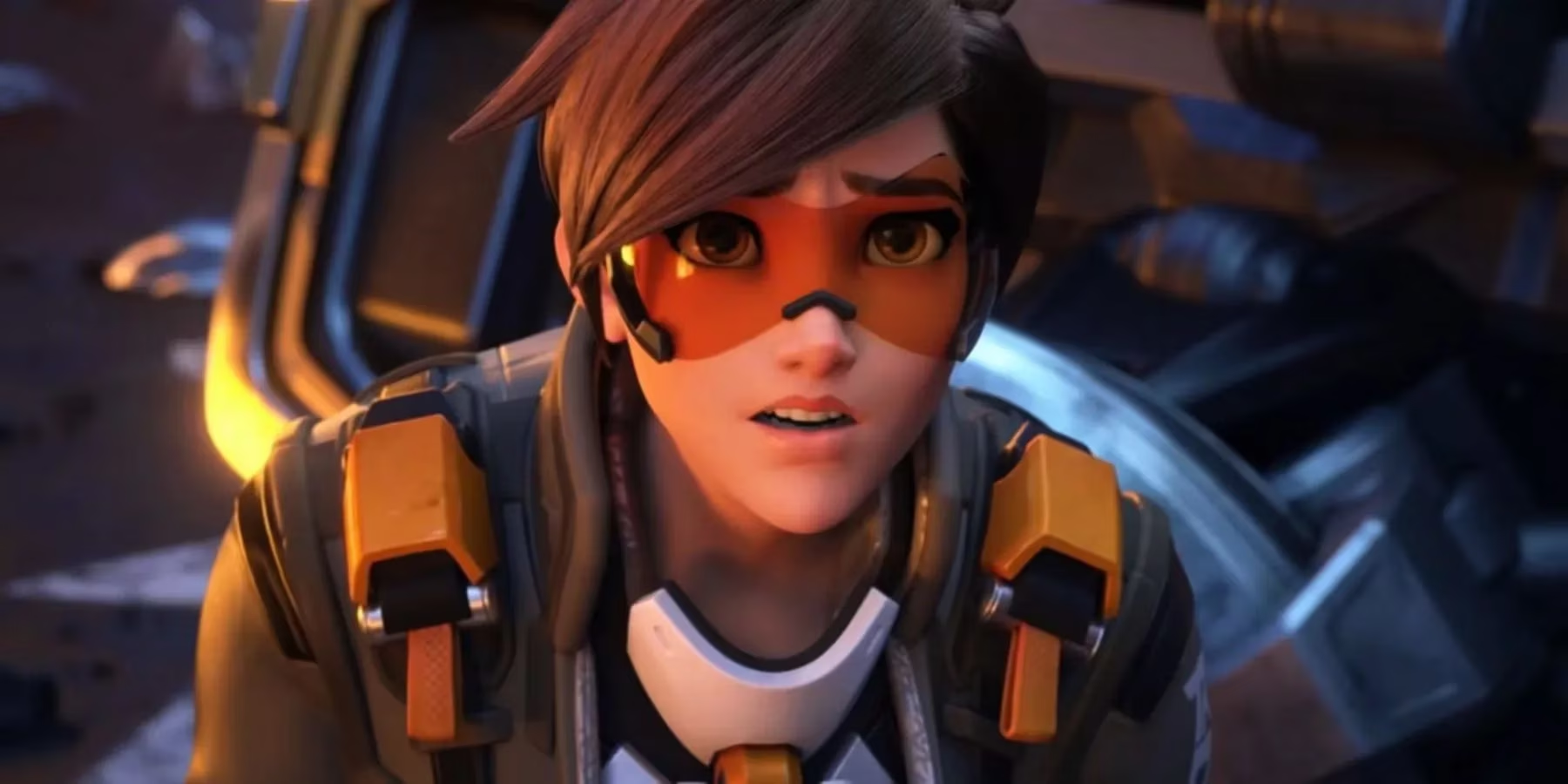
The rumors about the PvE Invasion missions being scaled back or canceled entirely were a gut punch. For many of us, that promised PvE content was the reason for the sequel—a grand, co-op narrative to dive into between competitive matches. With that dream seemingly fading, the pressure on the purely competitive, live-service core of Overwatch 2 has become immense. Every season now carries the weight of proving the game's continued relevance. And then, the announcement came: a new hero-shooter, Marvel Rivals, was on the horizon from NetEase. Suddenly, the calendar held a date with destiny: April 16, the launch of Season 10. It wasn't just another update; it felt like a last stand.
My friends and I scoured the previews for Marvel Rivals. A closed alpha in May, just a month after our Season 10? The timing was impeccable, and frankly, intimidating. The allure of Marvel's iconic characters is a force of nature. Seeing Peni Parker pilot a mech that instantly reminded me of my hours in D.Va's cockpit, or Loki wielding an ultimate that mirrored Echo's Duplicate... it created a strange sense of deja vu. It was familiar enough to be inviting, yet fresh enough to be tantalizing. This wasn't some distant threat; it was a potential new home for the very skills I'd honed in Overwatch 2. The community chatter shifted from pure excitement about Venture to a nervous, competitive anxiety. Could Blizzard's season hold our attention, or would we be tempted to jump ship to try out Spider-Man and Iron Man in a team fight?
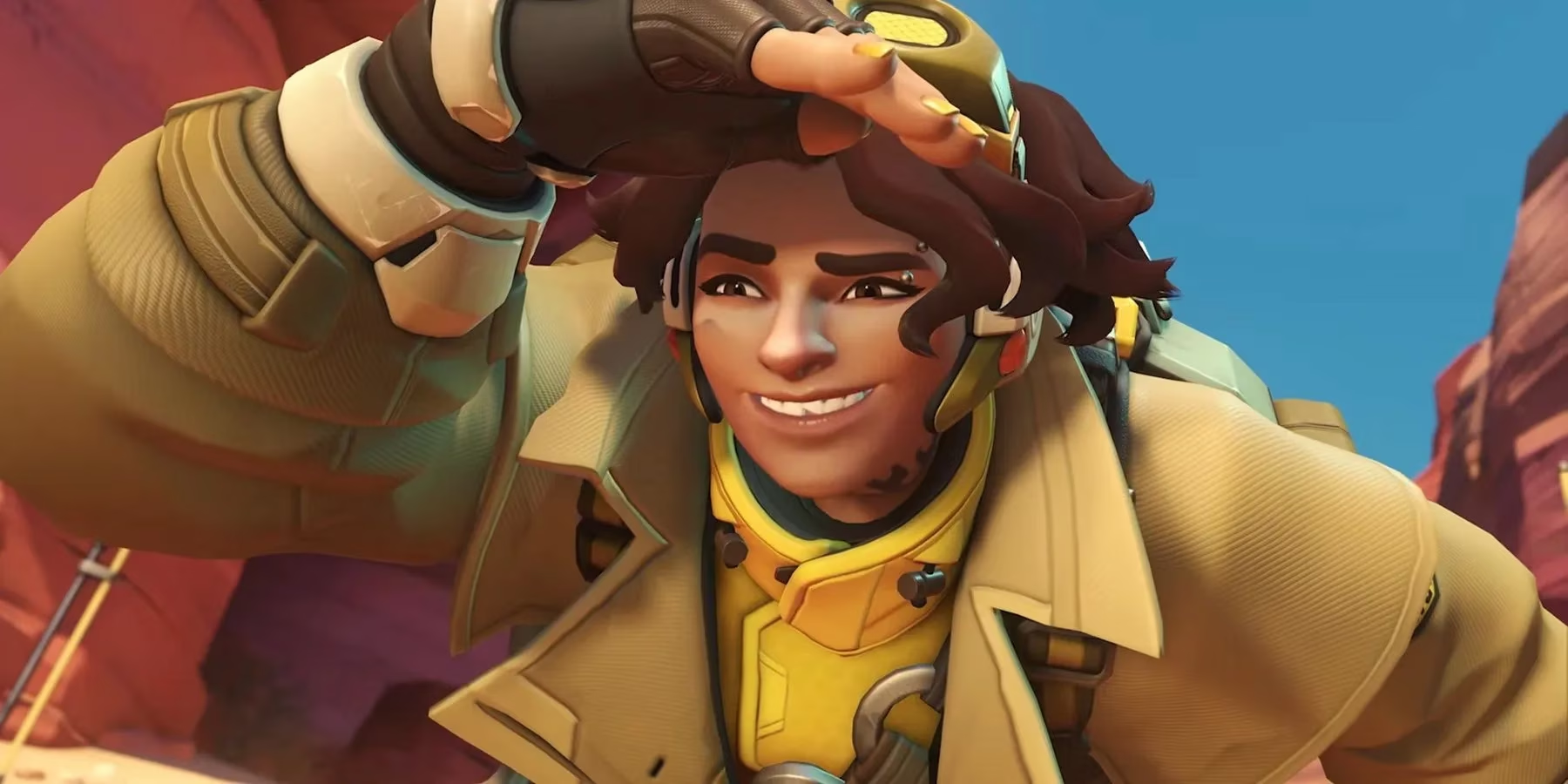
Yet, in a twist of fate, the delay of Season 10 might have been the secret weapon we needed. That extra development time became a beacon of hope. What if it meant a truly polished, transformative experience? The confirmed changes for Season 10 read like a community wishlist finally granted:
-
The Release of Venture: A new hero to shake up the meta and learn.
-
Heroes Unlocked: The monumental decision to remove all heroes from the Battle Pass, past and future. No more grinding or paying for core gameplay pieces.
-
Competitive Revamp: An overhaul of the often-criticized ranked system.
-
Clash Mode Trial: A brand-new game mode to explore.
-
Mythic Economy: A new shop and currency system for those coveted skins.
-
Map Nostalgia: The potential return of the classic Temple of Anubis.
This was more than an update; it was a foundation-laying moment. By removing the hero paywall, Blizzard was directly addressing one of the biggest post-launch criticisms. It felt like an apology and a promise wrapped into one. Maybe, just maybe, this 'blessing in disguise' would deliver a season so strong it would reaffirm our commitment.
As I logged in on April 16, the stakes were personal. I wasn't just testing a new hero or mode; I was evaluating the future of my primary gaming hobby. Playing Venture felt great—disruptive, mobile, and fun. Earning a hero I missed in a previous season without opening my wallet was a genuinely positive feeling. The new Clash mode provided a novel strategic puzzle. But the shadow of May loomed. Every bug, every bit of lag, every unbalanced match now had a counterpoint: "Will Marvel Rivals do this better?"
Three years later, looking back from 2026, that period was a defining crisis. The hero-shooter genre, as proven by the enduring presence of games like Valorant and Paladins, thrives on competition and choice. Marvel Rivals did arrive, and it found its audience. But Season 10 of Overwatch 2 did what it needed to do: it stopped the bleeding. It showed a willingness to listen, to correct course, and to fight for its players. It didn't kill the competition—healthy genres don't work that way—but it secured Overwatch 2's place at the table. The road since has still been bumpy, but the lesson was learned: in a world full of heroes, you can't just rest on your laurels. You have to earn your players, every single season.