Overwatch 2 Halloween event Junkenstein’s Revenge: Wrath of the Bride delivered four-player co-op chills, eerie heroes, and a two-week seasonal scare.
In 2026, when Overwatch 2 players trade stories about seasonal events, the name Junkenstein’s Revenge still lands with a particular chill. The first Halloween celebration after the game’s launch introduced Junkenstein’s Revenge: Wrath of the Bride, a four-player co-op experience that arrived on October 25 and ran through November 8. For a game stepping into its free-to-play era, the event was more than a cosmetic showcase; it was a haunted house built from familiar heroes, eerie set pieces, and the promise of something new. Years later, that debut remains a useful reference point for anyone curious about how Overwatch 2 approaches Halloween.
The schedule itself felt generous. The event opened a full week before Halloween and stayed live a full week after, giving players time to explore the new mode, chase seasonal rewards, and soak in the spooky atmosphere without feeling rushed. That two-week window became a template that seasonal planners could appreciate: long enough to feel like an occasion, short enough to keep the calendar moving. For a community still adjusting to Overwatch 2’s new structure, the dates were one of the few certainties in an otherwise experimental season.
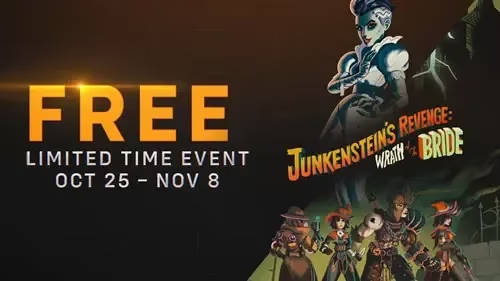
| Detail | What players learned |
|---|---|
| Event window | October 25 to November 8 |
| Mode | Junkenstein’s Revenge: Wrath of the Bride |
| Format | Four-player co-op |
| Featured heroes | Kiriko, Junker Queen, Sojourn, and Ashe |
| New looks | Witch, executioner, Noir detective, and demon hunter themes |
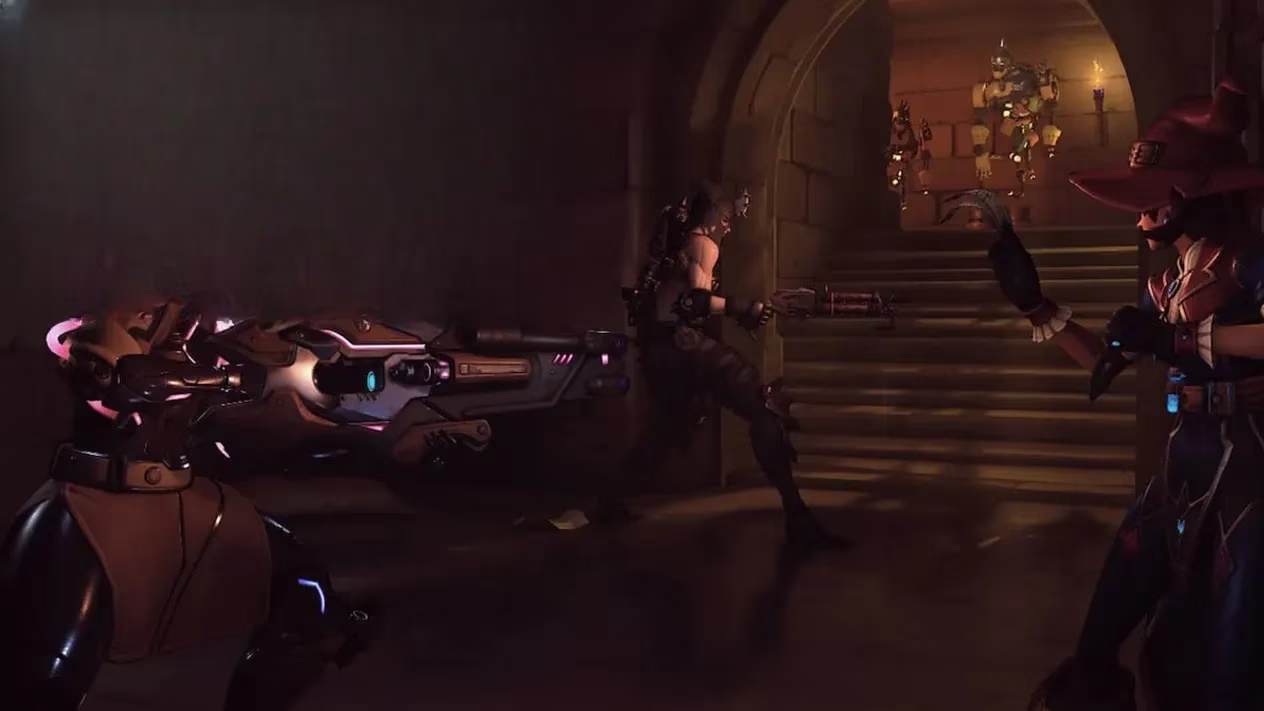
At the heart of the celebration was Wrath of the Bride. The mode shared much of its DNA with the original Junkenstein’s Revenge, yet it was not simply a retread. It remained a four-player co-op experience, the kind of cooperative chaos that turns a team of strangers into a desperate squad of survivors. The artwork pointed toward a locked roster: Kiriko, Junker Queen, Sojourn, and, as best as observers could tell, Ashe. Each hero brought a different flavor to the haunting, and the fixed lineup gave the mode a storybook quality. Players were not just choosing tools; they were stepping into roles in a macabre little play.
That storytelling instinct mattered because Overwatch 2 had spent much of its launch conversation on the future of PvE. The game’s promised story campaign was still on the horizon, and Wrath of the Bride looked like a possible appetizer. If the Halloween mode borrowed even a few light RPG-style elements from the planned campaign, it could offer a taste of what cooperative Overwatch might become: more structured, more atmospheric, and more interested in narrative stakes than a standard match. The speculation was part of the fun. Every detail in the artwork became a clue, and every enemy encounter became a hint about where the larger PvE dream might lead.
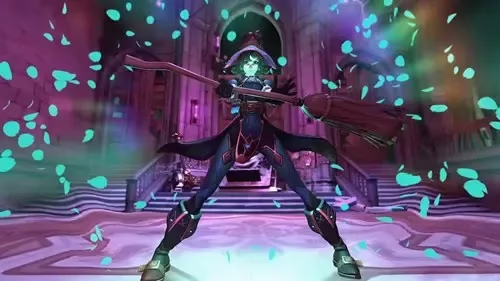
Then there were the skins. A seasonal Overwatch event without new cosmetics would be like a haunted house without cobwebs. The Halloween celebration delivered themed looks that turned heroes into archetypes of horror and mystery. Kiriko received a witch skin, an obvious but effective fit for a support hero with a magical air. Junker Queen appeared decked out like an executioner, all menace and theatrical authority. Sojourn took on the look of a Noir detective, trading bright futurism for shadows and suspicion. Ashe, meanwhile, seemed to embrace a Diablo-style demon hunter get-up, a cross-genre costume that promised crossbows, brooding, and maybe a little brimstone.
These skins were not just dress-up. In Overwatch 2’s free-to-play era, cosmetics became a major part of the seasonal conversation, and Halloween was a natural stage for the most theatrical designs. The event also benefited from a deep backlog of Halloween skins from the original game, which returned to popularity as players mixed old favorites with new acquisitions. The result was a seasonal economy of nostalgia and novelty: veterans showing off familiar looks, newcomers discovering why October had become one of the most anticipated months on the Overwatch calendar.
By 2026, the Halloween season has become a familiar rhythm for Overwatch 2 players, but Wrath of the Bride still stands out as a formative chapter. It demonstrated how the sequel could honor tradition while testing new ideas, how a co-op mode could feel like a campfire story, and how cosmetics could turn a hero roster into a cast of Halloween legends. The event’s two-week window, its four-player structure, and its memorable skins may belong to an earlier moment, yet they explain why October remains a time when the community expects the lights to dim, the music to turn eerie, and Junkenstein’s door to creak open once again.