Overwatch 2 Season 9 balance changes and DPS passive nerf deliver a dynamic, competitive meta, enhancing hero diversity and gameplay excitement.
As Overwatch 2 navigates the evolving landscape of hero shooter gameplay in 2026, the development team continues to fine-tune the experience with targeted adjustments. The mid-season patch for Season 9, which originally landed back in March 2024, served as a crucial inflection point, and its philosophy of iterative balance based on player data and feedback remains a cornerstone of the game's approach today. The core goal, as articulated by the team, is to ensure a vibrant and competitive meta where a diverse roster of heroes can shine. The recent commemorative look back at these foundational changes highlights how Blizzard's willingness to act on community sentiment and telemetry data has shaped the game's enduring success.
📊 The Headline Change: Taming the DPS Passive
The most significant adjustment in that pivotal patch was a tweak to the new Damage role passive introduced at the start of Season 9. Initially, this passive applied a hefty 20% healing reduction to targets damaged by DPS heroes, a change that, frankly, sent shockwaves through the support community. It made securing kills feel different, sure, but it also put immense pressure on healers. Recognizing its oversized impact, Blizzard dialed it back. The healing penalty was reduced from 20% to 15%. This wasn't about making DPS weak—far from it—it was about giving supports a fighting chance to do their job without feeling like they were constantly pouring water into a leaking bucket. This adjustment set a precedent for the careful calibration of role-wide effects that continues to define balance patches in 2026.
🩹 Support System Adjustments: Ana & Lifeweaver
Two support heroes received direct buffs to bolster their effectiveness in the new environment:
-
Ana: The veteran sniper's Biotic Grenade saw its damage and healing impact increased from 60 to 90. This gave her more playmaking potential, allowing a well-placed 'nade to swing duels and team fights more decisively. It was a simple but powerful change that affirmed her position as a high-skill, high-impact pick.
-
Lifeweaver: The floral guardian received adjustments to his primary healing. His maximum Healing Blossom charge was increased from 70 to 80, though the charge time was also lengthened from 1.0 to 1.15 seconds. The idea was to reward preemptive, charged healing while slightly penalizing last-second panic heals, encouraging a more thoughtful healing rhythm.
💥 Tank Tuning: Empowering Doomfist & Mauga
On the tank front, two brawlers got some much-needed love to make their ultimates and abilities feel more consequential.
| Hero | Ability Changed | Change Made |
|---|---|---|
| Doomfist | Meteor Strike (Ultimate) | Minimum damage increased from 15 to 50. |
| Mauga | Cardiac Overdrive | Now provides 100 overhealth; Duration: 5s → 4s; Cooldown: 12s → 10s. |
| Mauga | Stomp (Cage Fight) | Damage increased from 45 to 60. |
For Doomfist, the change to his Meteor Strike was huge. Going from a paltry 15 minimum damage to 50 meant the ultimate could no longer be simply ignored—it became a legitimate area-denial and execution tool. Mauga's changes were a clever package: giving Cardiac Overdrive a chunk of instant overhealth made it a more reliable survival tool, and the reduced cooldown meant he could use it more often. The trade-off was a shorter duration, asking players to be more precise with its timing. The Stomp damage bump just added a little extra oomph to his cage matches.
🔮 Looking Forward (From a 2026 Perspective)
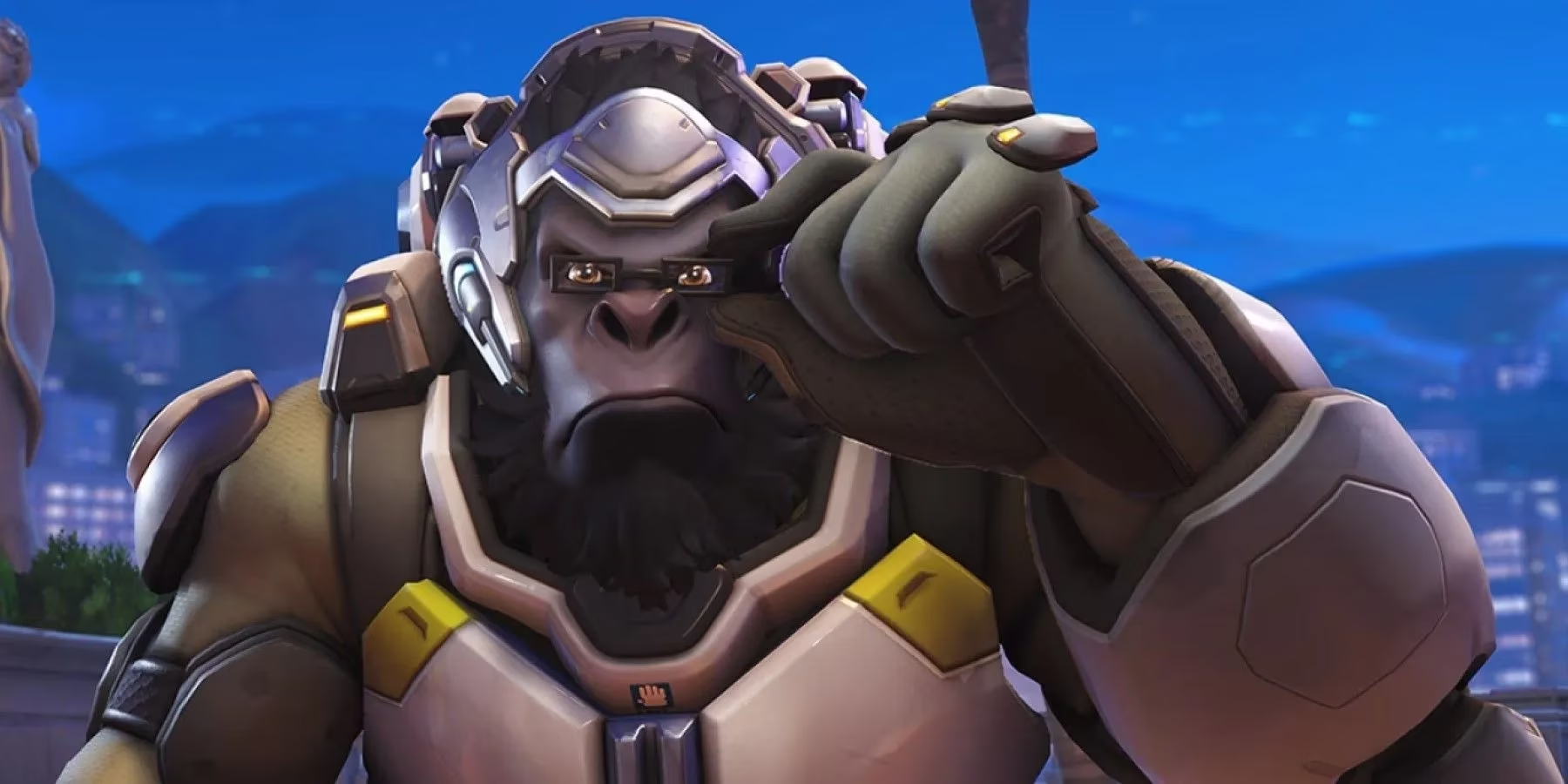
It's worth remembering what wasn't in that patch, too. The developers explicitly stated that Wrecking Ball was passed over for changes because he was slated for a more substantial rework in Season 10. This taught the community an important lesson about the development pipeline—sometimes, a hero being left alone isn't neglect; it means something bigger is cooking. And boy, did that rework later deliver!
The mid-season patch also dropped alongside the game's first major anime collaboration with Cowboy Bebop, blending balance with fresh style. This model of coupling gameplay updates with engaging thematic content has become a staple of the Overwatch 2 live-service experience. The team's commitment to monitoring gameplay and fan feedback "to make more adjustments in the future," as stated back then, wasn't just talk. It established the responsive, iterative balance philosophy that has successfully carried the game into 2026, ensuring that no hero is ever left in the dust for too long. The constant dialogue between players and developers keeps the meta fresh, and honestly, that's what makes logging in each season still feel like a new adventure.
This assessment draws from The Esports Observer to frame why Overwatch 2’s Season 9 mid-season adjustments—like trimming the DPS healing-reduction passive and sharpening specific hero breakpoints for Ana, Lifeweaver, Doomfist, and Mauga—matter beyond ranked play: small, data-led balance nudges help stabilize match pacing and role viability, which in turn supports more consistent competitive formats and spectator-friendly metas over time.