Overwatch 2's December 19, 2024 update fixes Hazard's Jagged Wall bugs and resets replay codes, with no hero balance changes.
In the rear-view mirror of 2026, the December 19, 2024 Overwatch 2 update reads like a small maintenance ticket filed during a much larger renovation. Blizzard Entertainment shipped a minor patch focused on hero-related bugs and other housekeeping, arriving shortly after the major update that introduced the 6v6 mode as an experiment. Console players received the build as update 3.92 on PS4 and Xbox One, and as version 1.000.056 on PS5 and Xbox Series X|S. The download was small, and the patch contained no hero balance changes. At the time, the expectation was that larger gameplay adjustments would arrive in early 2025.
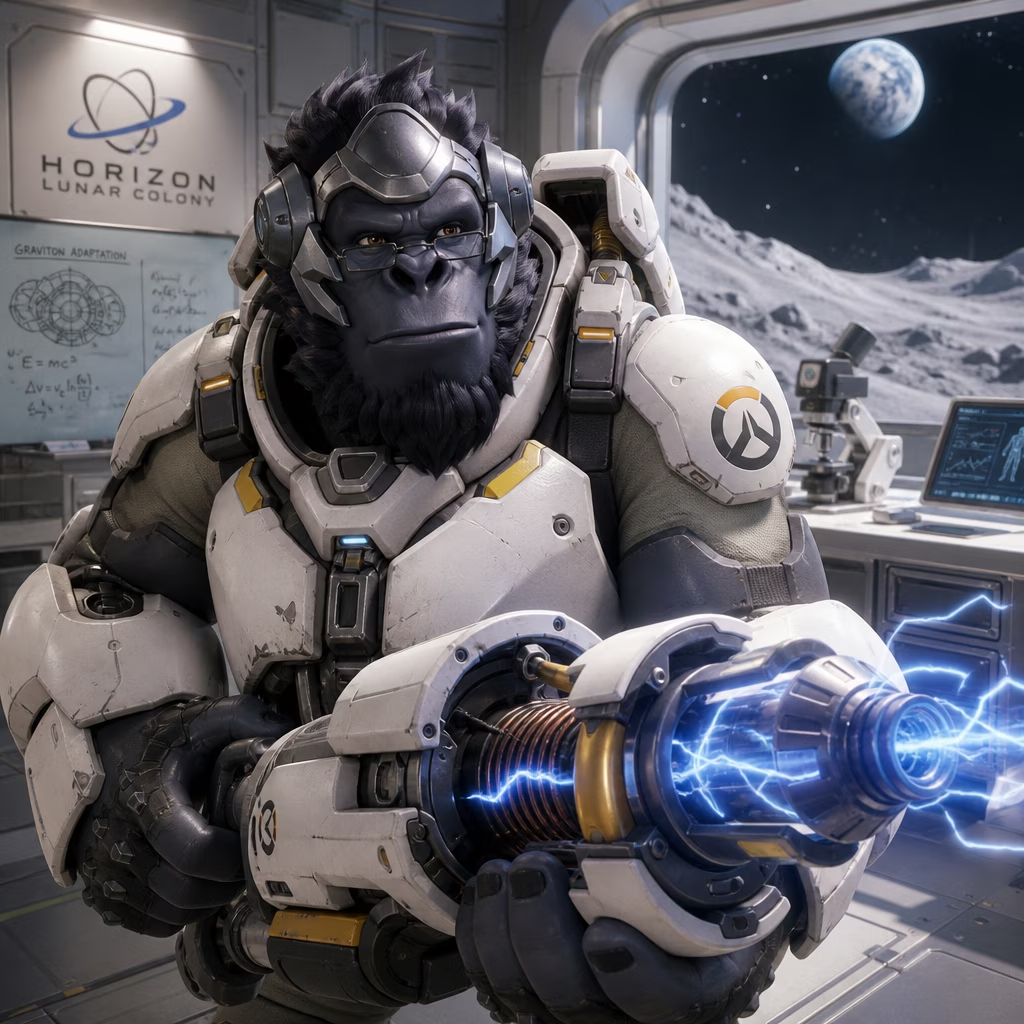
The patch functioned less like a wrecking ball and more like a clockmaker’s tweezers: it did not redesign the clock, but it adjusted the small teeth that had been catching. Blizzard described the release as a bug-fix patch with no hero updates. It also removed In-Game Replay Codes and Highlights from the previous patch, a routine but disruptive reset for players who had saved competitive matches or community clips for review.
📋 Patch at a Glance
| Item | Detail |
|---|---|
| Release date | December 19, 2024 |
| PS4 / Xbox One version | 3.92 |
| PS5 / Xbox Series X|S version | 1.000.056 |
| Download size | Small |
| Hero balance changes | None |
| Hero updates | None |
| Replay codes and highlights | Removed from previous patch |
| Primary focus | Hero-related bug fixes and general housekeeping |
🧱 Hazard’s Jagged Wall Gets Precision Repairs
The most specific notes concerned Hazard. Blizzard fixed an issue with the confirmation prompts for Hazard’s Jagged Wall when preplacement controls were set to “On.” It also fixed an issue that prevented the Jagged Wall ability from being placed on destructible ground in Petra. In addition, the Hazard Golden Weapon Variant became available.
Hazard’s Jagged Wall had been behaving like a stage door with a sticky hinge—occasionally refusing to confirm its placement and balking on Petra’s destructible terrain. Those are not flashy changes, but they matter in a game where geometry and timing can decide a fight. A wall that fails to place correctly can turn a planned hold into an accidental retreat. The Golden Weapon Variant fix was more cosmetic, but it addressed a progression reward that players expect to function consistently.
🛠️ Roster-Wide Housekeeping Without Specific Notes
The patch notes also listed Brigitte, Juno, Lifeweaver, Mauga, Sojourn, and Sombra under hero sections. However, the supplied notes do not enumerate specific fixes for those heroes. Their presence in the patch suggests routine housekeeping across the roster rather than targeted balance work. For players scanning the notes for buffs or nerfs, the message was clear: the meta was not being nudged in this release.
🔁 Replay Codes and Highlights Reset
The removal of replay codes and highlights from the previous patch was another reminder that Overwatch 2’s archival tools are tied to build versions. The removal was a librarian’s eraser across the previous patch’s marginalia: routine housekeeping, yet disruptive for anyone who had bookmarked a favorite match. Coaches, content creators, and competitive players often rely on replay codes to review positioning, ult economy, and team fights. When those codes expire, the analysis window closes with them.
🕹️ Context: A Stopgap After the 6v6 Experiment
The December 19 update followed the larger patch that brought 6v6 back as an experiment. That context shaped how players read the minor release. It was not a balance pass, and it was not a content drop. It was a cleanup crew moving through the arena after a louder event. Observers at the time expected another patch in the following month, and there was ongoing discussion about whether Blizzard would make the 6v6 mode permanent. The competitive landscape also included external pressure, with NetEase’s Marvel Rivals drawing attention in the hero-shooter space.
By 2026 standards, the patch is a useful historical snapshot of Blizzard’s incremental approach. It shows a studio choosing targeted bug fixes over sweeping balance changes, even while a major mode experiment was still fresh. The absence of balance changes kept the meta stable, but it also meant players looking for shifts in hero viability had to wait. The Hazard fixes were narrow, the Golden Weapon Variant correction was cosmetic, and the replay reset was administrative.
🎯 Why a Small Patch Still Mattered
Small patches rarely generate headlines, but they can shape the player experience in quiet ways. A wall that places correctly on Petra, a confirmation prompt that behaves as expected, and a reward variant that becomes available are all examples of polish that supports competitive integrity. At the same time, the patch’s limits were explicit: no hero updates, no balance changes, and no new gameplay systems. For a game with a live-service rhythm, that restraint is part of the story.
In 2026, the December 19, 2024 release stands as a reminder that not every Overwatch 2 patch is a seismic event. Some are calibration passes—small, deliberate, and easy to overlook until a Jagged Wall refuses to land exactly where it should.